Feb 1, 2026
Beyond the Backlash: Why Inclusive Production Matters More Than Ever
A different approach to diversity that everyone can get behind
The headlines tell a familiar story: Disney ends "Reimagine Tomorrow." Paramount eliminates numerical diversity goals. Warner Bros Discovery quietly rebr ands "DEI" as simply "inclusion." Amazon Studios rolls back division-wide policies.
Following Trump's inauguration and executive orders targeting diversity programmes, major studios have rushed to distance themselves from what's suddenly become politically toxic. The acronym "DEI" has transformed from corporate talking point to career liability seemingly overnight.
But here's what gets lost in the political theatre: the business case for inclusive production hasn't changed. Neither has the creative case. What's changed is the branding—and that might actually be the best thing that could happen to genuine inclusion.
The Problem with "DEI" Was Always the Label
For years, I've watched diversity initiatives treated as separate programmes—something bolted onto production rather than baked into it. Dedicated departments. Numerical targets. Aspirational goals. All well-meaning, but all reinforcing the idea that inclusive production is somehow different from good production.
It isn't.
When I built CAERUS, our wheelchair-mounted camera system, I didn't set out to create "assistive technology." I set out to solve a production problem: how do you get smooth, dynamic camera movement without operator fatigue, lengthy setup times, or eye-watering day rates?
The solution happened to be wheelchair-mounted because that's what I had available. But productions don't book CAERUS to tick a diversity box—they book it because it delivers shots they want. The accessibility is the means, not the end. The creativity is the point.
That's the model inclusive production should have followed from the start.
What the Rollback Actually Reveals
Strip away the corporate PR and Trump's executive orders have inadvertently exposed something useful: most "DEI initiatives" were performative.
Numerical targets without structural change. Aspirational goals without budget allocation. Diversity metrics tied to executive compensation whilst production crews remained overwhelmingly homogeneous. It was theatre—expensive, well-documented theatre—but theatre nonetheless.
The companies rolling back these programmes aren't abandoning values. They're abandoning programmes that were largely symbolic anyway. As one industry expert told Variety, "It's almost impossible for entertainment companies to withdraw holistically from the work of diversity, equity and inclusion" because the commercial reality hasn't changed: audiences are diverse, stories require authentic perspectives, and talent comes from everywhere.
What has changed is that we can finally stop pretending that diversity is a separate goal rather than an integrated practice.
The Case for Integration Over Initiative
Here's my pitch for inclusive production in 2026: stop making it special.
Instead of "diversity programmes," build systems that remove barriers for everyone. Instead of aspirational targets, create frictionless pathways. Instead of dedicated departments, embed inclusion into every production decision.
Why this works:
1. It's politically neutral Nobody can attack you for "making production easier." Streamlined onboarding? Flexible working arrangements? Modular equipment that adapts to different operators? These benefit everyone whilst naturally expanding who can participate.
2. It's commercially sensible CAERUS doesn't cost more than a Steadicam operator. Inclusive production doesn't require additional budget—it requires smarter allocation. Remote collaboration tools that help disabled crew also help parents, carers, and anyone who can't be on location 16 hours a day.
3. It drives creativity Every production operates under constraints—time, budget, locations, weather. Constraints force creative solutions. When you expand who's solving those problems, you expand the solution space. That's not diversity propaganda; that's basic creative problem-solving.
What Inclusion Actually Looks Like in Practice
Let me get concrete. Here's what genuinely inclusive production means for Diverse Made Media:
Equipment designed for versatility, not accommodation CAERUS works in single, dual, or triple operator configurations. We built it modular because different shoots need different setups. The fact that it also enables wheelchair users to operate camera is a feature, not the feature.
Hiring based on capability, not categories We don't have "disability targets." We have production requirements and we find the best people to meet them. Sometimes that person uses a wheelchair. Sometimes they don't. The work determines the hire, not the optics.
Systemic integration, not special programmes We don't run separate "inclusive production workshops." We teach production skills to everyone and ensure our teaching is accessible. Captions benefit Deaf crew and people whose first language isn't English. Clear documentation helps neurodivergent crew and everyone else who appreciates good process.
Commercial positioning, not charitable framing We pitch on creative capability and production excellence. The fact that we're disability-led adds authenticity to certain projects, but it's not why broadcasters commission us. They commission us because we deliver.
This isn't radical. It's just good business operating under a different framework.
The Opportunity Right Now
Whilst major studios retreat from programmes they never fully implemented, there's a genuine opportunity for production companies who understand that inclusion isn't a programme—it's an approach.
The demand hasn't disappeared. According to Joan Jenkinson, CEO of the Black Screen Office, "The risk is real. When projects rely on U.S. financing or need to sell into that market, pressure can creep in to soften or sideline DEI principles". But that same pressure creates openings for production models that deliver authentic representation without the political baggage.
Audiences still want diverse stories. Broadcasters still have representation obligations. Advertisers still need to reflect their customer base. The commercial drivers haven't changed—only the vocabulary has.
So whilst Disney removes content advisories and Paramount eliminates aspirational goals, smart production companies are quietly building infrastructure that makes inclusion seamless, scalable, and commercially viable.
Beyond Disabled Crew: Inclusion as Creative Strategy
Here's where this gets broader: this model works for every underrepresented community.
Women in technical roles don't need special programmes—they need equipment rental houses that stock smaller rigs and production companies that schedule shoots around school hours when needed.
Working-class filmmakers don't need "access initiatives"—they need transparent pathways, decent pay, and production training that doesn't require unpaid internships.
Ethnic minority crew don't need targets—they need hiring processes that value diverse experience and production cultures that don't assume everyone socialises at the same pubs.
LGBTQ+ crew don't need dedicated resources—they need workplaces where they're not constantly explaining themselves or managing other people's discomfort.
The pattern is the same: remove the friction, expand the talent pool, improve the work.
What This Requires
Let me be clear: this isn't about lowering standards. It's about expanding who gets to meet those standards.
Genuinely inclusive production requires:
Structural thinking, not symbolic gestures Don't announce initiatives. Build systems. Infrastructure changes outlast political cycles.
Commercial framing, not social justice rhetoric Position inclusion as creative advantage and production efficiency, not moral imperative. The business case is stronger anyway.
Integration, not isolation Don't create separate diversity teams. Embed inclusive practice into every department. Make it everyone's job, not someone else's responsibility.
Results, not metrics Measure what matters: Are your productions better? Is your talent pool expanding? Are you solving creative problems others can't? Let the work speak.
The Uncomfortable Truth
Trump's executive orders and the subsequent studio retreat have revealed something many of us have known for years: most corporate diversity programmes were window dressing.
They made companies look progressive without requiring structural change. They generated impressive reports without shifting power dynamics. They created dedicated roles whilst leaving production practices largely untouched.
In that sense, the current moment is clarifying. We can stop pretending that press releases and aspirational targets constitute progress. We can stop defending programmes that were more about optics than outcomes.
Instead, we can focus on what actually works: building production infrastructure that removes barriers, expands talent pools, and delivers creative advantage.
What I'm Building
Diverse Made Media exists because I got tired of barriers masquerading as "industry standards."
We're building:
Technology (CAERUS) that expands creative options whilst expanding who can operate
Training (CAERUS Academy) that certifies operators in professional skills, full stop
Production methodology that integrates inclusion rather than isolating it
Commercial partnerships (Ottobock, Tilta, Ronford-Baker) that validate capability, not charity
None of this requires special pleading or political positioning. It just requires different thinking about production infrastructure.
And it works. We're deploying on BBC documentaries, Paralympic coverage, and corporate productions where client expectations match broadcast standards—because the work is good enough to compete on its own merits.
The Way Forward
The studios currently retreating from DEI programmes will quietly continue their inclusion work under different names. They have to—commercial reality demands it. But they'll do it more carefully, more quietly, and with less fanfare.
That's fine. Perhaps it should have been that way from the start.
For production companies building genuinely inclusive practices, this is opportunity. Whilst major studios navigate political exposure, smaller operations can demonstrate that inclusion isn't a programme to implement—it's a competitive advantage to deploy.
The secret? Stop talking about diversity and start building infrastructure that removes friction. Stop defending initiatives and start delivering work that speaks for itself. Stop asking for accommodation and start creating systems everyone benefits from.
This isn't about lowering standards to tick boxes. It's about recognising that barriers to entry have nothing to do with capability, and removing those barriers expands the talent pool whilst improving the work.
The Pitch
If you're a producer, broadcaster, or brand trying to navigate this moment: ignore the politics and focus on the work.
Ask yourself:
Is my talent pool as wide as it could be?
Are there systemic barriers preventing capable people from contributing?
Would removing those barriers improve my productions?
If the answer is yes, you don't need a DEI programme. You need better infrastructure.
That's what we're building. Not separate. Not special. Just better integrated, more accessible, and commercially competitive.
The backlash will pass. The business case remains. And the productions that figure out how to expand their talent pools without political exposure will have a significant advantage in the years ahead.
The question isn't whether to pursue inclusion—commercial reality makes that decision for you. The question is how to do it without the baggage, the bureaucracy, or the political risk.
The answer? Build systems that work for everyone. Let the results speak for themselves.
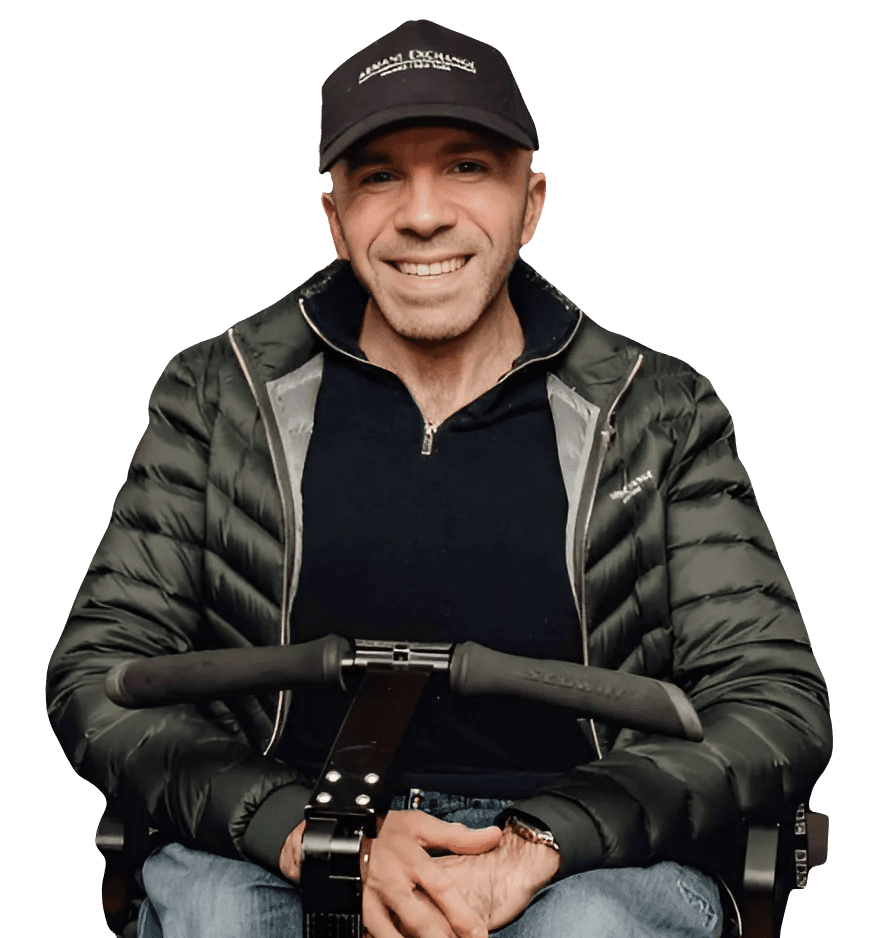
Chris Lynch is the founder and CEO of Diverse Made Media, an award-winning London-based production company, and the creator of CAERUS, a wheelchair-mounted camera system deployed on broadcast productions worldwide.
Want to discuss inclusive production infrastructure for your next project?
Get in touch
Contact
Reach out today to setup a call to discuss how CAERUS can integrate into your next production.